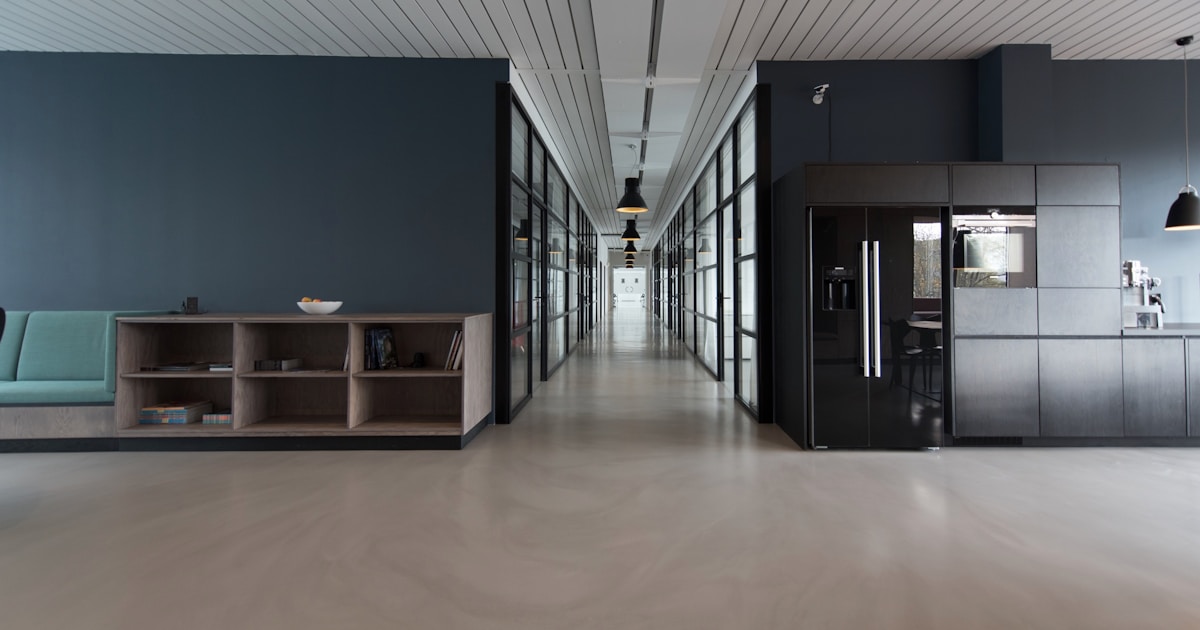
AI Automation for Coworking Spaces and Shared Offices in 2026: Fill Desks, Cut Overhead, and Scale Without More Staff
AI Automation for Coworking Spaces and Shared Offices in 2026#
Running a coworking space is a constant balancing act. You're managing memberships, chasing invoices, coordinating meeting room bookings, handling tour requests, keeping members happy, and somehow trying to grow occupancy at the same time. Most operators are buried in admin work that keeps the lights on but doesn't move the business forward.
Here's the thing: a huge chunk of that daily grind can be automated with AI. Not with some generic chatbot slapped onto your website. We're talking about custom AI systems built around your specific workflows that handle the repetitive stuff so your team can focus on community building and growth.
In this guide, we'll break down exactly which coworking operations are ripe for AI automation, what the real results look like, and how to figure out where to start.

Why Coworking Spaces Are Perfect for AI Automation#
Coworking spaces have a unique combination of traits that make them ideal candidates for automation. High volume of repetitive tasks. Constant member communication. Complex scheduling. Revenue that depends on occupancy rates and retention. Every one of these areas has manual bottlenecks that eat into margins.
The average coworking space operator spends 15 to 20 hours per week on administrative tasks that don't directly generate revenue. Tour scheduling, membership inquiries, billing follow-ups, access management, event coordination. These are all tasks that follow predictable patterns, which means AI can handle them.
The coworking industry is also intensely competitive. With remote work now the default for millions of workers, the number of shared office spaces has exploded. Standing out means delivering a better member experience with faster response times, smoother onboarding, and fewer billing headaches. AI gives you the edge to do all of that without hiring more staff.
7 Coworking Operations You Can Automate with AI Today#
1. Tour Scheduling and Lead Follow-Up#
Most coworking spaces lose potential members because they're too slow to respond to tour requests. Someone fills out a form on your website at 9 PM, and your team doesn't get back to them until the next afternoon. By then, they've already toured a competitor.
An AI system can respond to tour requests within minutes, any time of day. It qualifies the lead by asking about their team size, preferred move-in date, and workspace needs. Then it books the tour directly on your calendar, sends a confirmation with directions, and follows up with a reminder the day before. If the prospect doesn't show, it automatically reschedules. For a deeper look at how AI lead qualification works, check out our detailed guide.
2. Member Onboarding#
Onboarding a new member involves a dozen steps. Collecting their information, getting them signed up in your management platform, setting up access credentials, sending welcome packets, introducing them to the community, explaining house rules, and scheduling an orientation. Miss any of these and the member experience starts off rocky.
AI automation handles the entire sequence. The moment a contract is signed, the system triggers a workflow: generates access credentials, sends a personalized welcome email series, shares the member handbook, prompts them to complete their profile, and notifies your community manager to schedule a personal introduction. Every step happens automatically, in the right order, at the right time. We've written about automating customer onboarding in detail if you want the full playbook.

3. Meeting Room and Resource Booking#
Double bookings. No-shows eating up prime slots. Members who hog conference rooms. These are universal coworking headaches. AI-powered booking systems go beyond simple calendar tools.
A custom AI booking system learns usage patterns. It can predict demand for specific rooms and time slots, automatically release no-show reservations after a grace period, suggest alternative times when a room is booked, and even dynamically price premium rooms during peak hours. It can also flag members who consistently no-show and send them gentle nudges to improve their booking behavior.
4. Billing, Invoicing, and Collections#
Chasing late payments is nobody's favorite task. But for coworking spaces with dozens or hundreds of members on different plans, billing cycles, and add-on services, it becomes a significant time drain.
AI automation handles invoice generation, payment reminders, late payment escalation, and even adjusts messaging based on the member's payment history. A first-time late payer gets a friendly nudge. A serial offender gets a firmer reminder with clear consequences. The system can also flag accounts that are trending toward cancellation based on payment patterns, giving your team a heads-up to intervene before you lose the member. Our guide on automating invoice processing covers the technical side of setting this up.
5. Member Communication and Support#
"What's the WiFi password?" "Is there parking available?" "Can I bring a guest tomorrow?" "What time does the kitchen close?" Your front desk team answers the same questions hundreds of times per month.
An AI-powered member assistant lives in your Slack channel, app, or website and handles these instantly. But it goes beyond simple FAQs. A well-built system understands context. If a member asks about guest policies, it knows their membership tier and gives the correct answer for their plan. If someone reports a maintenance issue, it logs a ticket, notifies the right person, and follows up when it's resolved. It handles 80% of inquiries without human involvement, freeing your team for the interactions that actually matter.

6. Occupancy Optimization and Dynamic Pricing#
Empty desks are lost revenue. Full floors with a waiting list mean you're probably underpriced. Most coworking operators set their pricing once and revisit it maybe once a year. That's leaving money on the table.
AI analyzes your occupancy data, seasonal trends, local market rates, and demand patterns to recommend optimal pricing. It can suggest promotional rates for slow periods, premium pricing for high-demand zones, and identify the sweet spot for different membership tiers. Some operators have seen occupancy increases of 12 to 18 percent just by implementing AI-driven pricing adjustments.
7. Community Event Management#
Events are the heartbeat of a great coworking space. But planning, promoting, managing RSVPs, sending reminders, collecting feedback, and analyzing attendance is a mountain of work for each event.
AI automation handles the logistics so your community manager can focus on curating great events. It sends targeted invitations based on member interests, manages RSVPs, sends reminders, tracks attendance, collects post-event feedback, and generates reports on which types of events drive the most engagement and retention. Over time, it learns what your community actually wants and helps you plan more of what works.
The Real ROI: What Numbers Actually Look Like#
Let's get specific. Here's what we typically see when coworking spaces implement AI automation across their operations:
- Tour-to-member conversion rates increase by 20 to 35 percent (faster follow-up, no leads falling through cracks)
- Administrative time drops by 15 to 25 hours per week per location
- Late payments decrease by 30 to 50 percent (consistent, timely follow-up)
- Member satisfaction scores improve by 15 to 25 percent (faster responses, smoother experience)
- Occupancy rates climb 10 to 18 percent through dynamic pricing and better lead nurturing
For a 200-desk space charging an average of $350 per desk per month, a 15 percent occupancy improvement translates to roughly $126,000 in additional annual revenue. Compare that to the cost of building and maintaining an AI automation system, and the ROI is typically 5x to 10x within the first year.

How to Get Started: The Practical Approach#
You don't need to automate everything at once. In fact, trying to do too much too fast is one of the most common mistakes we see. Here's the approach that works:
Step 1: Identify Your Biggest Time Sink#
Track where your team spends the most time on repetitive tasks for one week. Usually it's one of three things: responding to inquiries, managing bookings, or chasing payments. Start with whichever one eats the most hours.
Step 2: Map the Current Workflow#
Document exactly how the process works today, step by step. Every email template, every decision point, every edge case. This becomes the blueprint for your AI system. The more detailed you are here, the better the automation will be.
Step 3: Build, Test, and Expand#
Start with a single automation, run it alongside your manual process for a couple of weeks, verify it's working correctly, then cut over. Once it's stable, move to the next process. This build, validate, then launch approach minimizes risk and lets you see real results before committing to larger investments.
What About Multi-Location Operators?#
If you run multiple coworking locations, AI automation becomes even more valuable. A centralized system handles inquiries, bookings, and billing across all locations while adapting to each site's specific rules, pricing, and availability. Your front desk staff at each location gets freed from admin work to focus on the in-person member experience.
We've seen multi-location operators reduce their per-location administrative headcount by one to two full-time positions after implementing comprehensive AI automation. That's not about eliminating jobs. It's about redeploying those people to roles that actually grow the business: community management, partnerships, and member retention.

Common Concerns (And Honest Answers)#
"Won't automation make our space feel impersonal?" No. The opposite, actually. When your team isn't drowning in admin work, they have more time for genuine human interaction. The AI handles the transactional stuff. Your people handle the relationships.
"What if the AI makes mistakes?" Any good system includes human oversight. Critical actions (like terminating a membership or processing a large refund) always route to a human for approval. The AI handles the routine. Humans handle the exceptions.
"Is this only for big operators?" Not at all. Even a single-location space with 50 desks benefits from automating tour follow-ups and billing. The system scales with you, so what works for one location works for ten.
How much does AI automation cost for a coworking space?
How long does it take to implement AI automation in a coworking space?
Do I need to change my existing coworking management software?
Can AI really handle complex member inquiries?
What's the first thing I should automate in my coworking space?
Ready to Automate Your Coworking Operations?#
At Infinity Sky AI, we build custom AI automation systems for coworking spaces and shared office operators. We start by understanding your specific workflows, build a solution that integrates with your existing tools, and deploy it in phases so you see results fast. No generic software. No cookie-cutter chatbots. Just automation that fits how your space actually runs.
Book a free strategy call and we'll walk through your operations together to identify where AI can save you the most time and money.
Related Posts

AI Automation for Real Estate Agencies: What's Actually Possible in 2026
Discover how real estate agencies are using AI automation to save hours on lead follow-up, listings, and client management. Practical guide with real examples.

How to Automate Customer Onboarding with AI: Cut Setup Time by 70% and Keep Clients Happy
Learn how to automate customer onboarding with AI. Reduce setup time, eliminate manual follow-ups, and deliver a consistent experience every time.
How to Automate Invoice Processing with AI: Save 20+ Hours Per Month
Learn how to automate invoice processing with AI. Eliminate manual data entry, reduce errors by 95%, and free your team for higher-value work.

How to Automate Lead Qualification with AI: A Practical Guide for Business Owners
Learn how to automate lead qualification with AI. Save hours of manual screening, respond faster, and close more deals with custom AI-powered lead scoring.